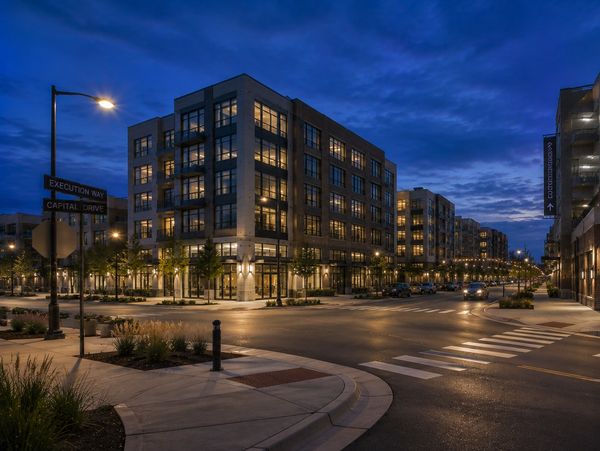
Execution timelines shift. Stabilization strategies evolve. Construction sequencing, operational continuity, refinance timing, infrastructure coordination, and long-term portfolio objectives frequently shape how real estate projects evolve through various stages of execution.
Strong strategic relationships are rarely built around isolated transactions alone.
They are often built through alignment, communication continuity, operational realism, and shared understanding of complex execution environments over time.
Execution timelines shift. Stabilization strategies evolve. Construction sequencing, infrastructure coordination, refinance timing, operational continuity, and long-term portfolio objectives frequently influence how real estate projects move through various stages of execution.
As projects increase in operational complexity, sponsors, brokers, developers, and ownership groups often require capital relationships capable of understanding evolving execution realities over time.
CREI approaches real estate relationships through the lens of execution continuity, operational realism, and long-term strategic alignment rather than isolated financing events alone.


As real estate projects increase in operational complexity, communication continuity, execution coordination, refinance timing, strategic responsiveness, and long-term planning often become increasingly important across sponsor, broker, and ownership relationships.
Many sophisticated real estate relationships are built through operational consistency, execution awareness, and long-term alignment rather than isolated financing transactions alone.
CREI approaches real estate relationships through the lens of strategic coordination, operational realism, and execution continuity across evolving project environments over time.
Sophisticated execution environments often require consistent communication alignment across evolving operational timelines, refinance considerations, and strategic project coordination.
Real estate projects frequently involve multiple operational layers requiring coordinated execution awareness, infrastructure continuity, and long-term strategic responsiveness.
Execution environments rarely evolve exactly as projected. Operational maturity often requires strategic responsiveness aligned with changing project realities over time.
Stabilization timing, operational performance, and evolving asset conditions frequently influence long-term refinance alignment and capital continuity.
As execution environments evolve, sponsors, brokers, and ownership groups often benefit from capital relationships capable of adapting alongside operational realities.
Sophisticated real estate relationships are often strengthened through operational consistency, strategic continuity, and execution awareness sustained over time.

Real estate projects frequently evolve through multiple operational phases influenced by acquisition timing, infrastructure coordination, stabilization performance, refinance planning, tenant continuity, market conditions, and long-term portfolio objectives.
As execution environments shift over time, sponsors, brokers, developers, operators, and ownership groups often benefit from strategically aligned relationships capable of maintaining continuity across evolving project realities.
CREI approaches real estate relationships through the lens of operational continuity, execution coordination, and long-term strategic alignment rather than isolated transactional cycles alone.
Strategic execution environments often begin with acquisition alignment designed to support long-term operational continuity and future portfolio objectives.
Phased execution environments frequently require coordinated operational planning across infrastructure timing, construction sequencing, and long-term asset integration.
Occupancy performance, tenant continuity, operational maturity, and evolving market conditions often influence how assets progress through stabilization environments over time.
Long-term financing continuity is frequently influenced by stabilized operational performance, execution timing, and evolving portfolio strategy considerations.
Strategically aligned execution environments often support future acquisition continuity, capital recycling, and long-term real estate portfolio expansion.
Sophisticated real estate relationships are often strengthened through operational consistency, execution awareness, and strategic continuity maintained across evolving project environments.

As real estate projects evolve over time, execution continuity, operational responsiveness, refinance timing, infrastructure coordination, and long-term strategic alignment frequently become increasingly important across sponsor, broker, developer, and ownership relationships.
Sophisticated real estate environments often benefit from strategically aligned relationships capable of maintaining operational continuity across changing execution conditions, evolving portfolio objectives, and long-term asset progression.
CREI approaches real estate relationships through the lens of institutional continuity, execution realism, and long-term strategic coordination rather than isolated financing events alone.
Long-term execution environments often benefit from operational consistency maintained across evolving project conditions and strategic timelines.
Execution continuity frequently requires aligned communication, infrastructure responsiveness, and coordinated operational planning across changing environments.
Stabilized operational performance and long-term execution maturity often influence future financing continuity and portfolio progression strategies.
Real estate execution environments frequently evolve through multiple operational stages shaped by changing market conditions and long-term ownership objectives.
Sophisticated real estate relationships are often strengthened through operational awareness, strategic responsiveness, and continuity maintained over time.
Long-term strategic alignment frequently supports execution confidence across evolving real estate environments and operational cycles.
Sophisticated real estate execution environments often require operational consistency, strategic responsiveness, infrastructure coordination, refinance continuity, and long-term relationship alignment maintained across changing project conditions over time.
As projects evolve operationally, sponsors, brokers, developers, operators, and ownership groups frequently benefit from relationships grounded in execution awareness, continuity, and long-term strategic coordination rather than isolated transactional interactions alone.
CREI approaches real estate relationships through the lens of institutional continuity, operational realism, and execution trust developed across evolving project environments.

Sophisticated real estate environments often benefit from operational relationships grounded in long-term execution understanding and strategic continuity.
Changing execution conditions frequently require aligned communication, operational flexibility, and coordinated long-term planning.
Execution maturity is often strengthened through consistent operational coordination maintained across evolving project environments.
Long-term financing continuity frequently depends upon stabilized operational performance and strategically coordinated execution maturity.
Sophisticated real estate relationships are often reinforced through operational consistency, execution trust, and strategic continuity maintained over time.
Long-term operational coordination frequently strengthens execution confidence across evolving real estate environments and strategic portfolio objectives.

Sophisticated real estate execution environments often involve evolving operational conditions, strategic coordination, refinance considerations, infrastructure continuity, and long-term relationship alignment maintained across multiple phases of execution over time.
Sponsors, brokers, developers, operators, and ownership groups frequently benefit from strategic conversations grounded in execution awareness, operational realism, and long-term continuity rather than isolated transactional objectives alone.
CREI approaches real estate relationships through the lens of institutional continuity, execution maturity, and strategically aligned long-term coordination across evolving project environments.
Sophisticated real estate environments frequently benefit from strategic coordination grounded in operational continuity, infrastructure awareness, and long-term execution realism.
Operational alignment often strengthens through consistent communication, refinance continuity, evolving project awareness, and strategically coordinated execution environments maintained over time.
CREI approaches sponsor and broker relationships through the lens of institutional continuity, execution maturity, and long-term strategic coordination across evolving real estate environments.
Empowering Real Estate Investors — Partnering in Building Legacies™
Copyright © 2026 CREI Funding, LLC - All Rights Reserved.
Powered by NextLevel
We use cookies to analyze website traffic and optimize your website experience. By accepting our use of cookies, your data will be aggregated with all other user data.

From DSCR and bridge loans to construction, multifamily, mixed-use, Build-to-Rent, and development financing, CREI approaches capital through the lens of real-world execution and long-term investment growth.
Strategic conversations often begin before the next acquisition, refinance, or development phase moves forward.
Connect with CREI to discuss your project, financing strategy, or long-term investment goals.