The equipment your business needs.
The capital strategy to move forward.
Outdated machinery can restrict production. Equipment breakdowns can disrupt operations. Growth opportunities may require new equipment before a business is ready to commit substantial cash.
Whether you're acquiring machinery, replacing aging equipment, modernizing manufacturing operations, expanding industrial capacity, upgrading a commercial fleet, or investing in heavy construction equipment, the financing decision matters.
CREI Funding helps manufacturers, business owners, industrial operators, contractors, real estate developers, and growing enterprises evaluate equipment financing and leasing solutions aligned with operating performance, financial flexibility, and long-term growth.
Our approach considers more than the purchase price. We evaluate the equipment's intended use, productive life, financing structure, cash-flow requirements, and role in what comes next.
Finance What You Need Today. Preserve Capacity for What Comes Next.
Strategic Business & Real Estate Capital Solutions | A Financing Foundation Dating to 1990
CREI Business Capital™ | Strategic Equipment Financing
Explore CREI Funding's equipment financing and leasing solutions across manufacturing, industrial operations, construction, transportation, healthcare, and other commercial industries. Navigate by equipment needs, financing strategy, business growth objectives, or dealer partnership opportunities.
Equipment is not simply an expense.
For many businesses, it is a productive asset that influences operating efficiency, revenue capacity, customer service, and the ability to pursue new opportunities.
Each situation presents a different capital decision.
Purchasing equipment outright may reduce available cash reserves.
Financing may provide a path toward ownership while spreading acquisition costs over time.
Leasing may offer flexibility when technology changes, equipment replacement cycles, or ownership objectives are important considerations.
CREI Funding approaches equipment financing through a broader business-capital perspective.
We evaluate the equipment, its intended use, expected useful life, operating demands, financing costs, and the structure that may best support the owner's financial objectives.
Acquire the Asset → Protect Liquidity → Strengthen Operations → Position for Growth
The objective is not simply to obtain equipment. It is to make a financing decision that supports the business today without unnecessarily limiting its opportunities tomorrow.
Different industries depend on different equipment. CREI Funding evaluates commercial equipment financing opportunities across a broad range of business sectors, with solutions subject to the asset, business qualifications, and applicable financing programs.
Equipment eligibility, financing amounts, repayment structures, and terms vary by program and underwriting requirements.

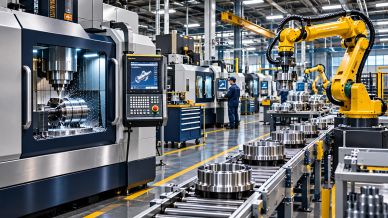
CNC machinery, fabrication systems, robotic equipment, automated production lines, industrial presses, packaging machinery, and food-processing equipment.
Strategic objective: Increase production capacity, reduce operational bottlenecks, modernize manufacturing processes, and support business expansion.

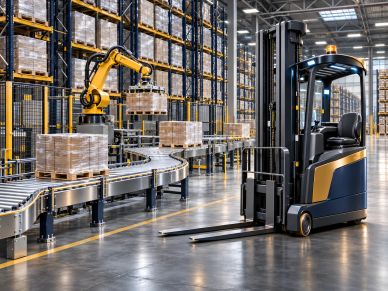
Forklifts, conveyor systems, material-handling machinery, warehouse automation, compressors, industrial processing equipment, and specialized operational assets.
Strategic objective: Improve handling capacity, operating efficiency, throughput, and distribution performance.

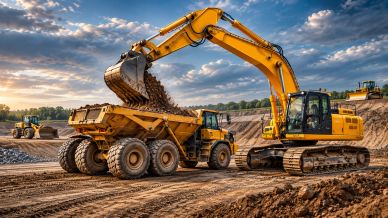
Excavators, bulldozers, loaders, graders, skid steers, cranes, paving equipment, earthmoving machinery, and specialized contractor equipment.
Strategic objective: Expand project capacity, reduce equipment-related interruptions, and support additional construction or development opportunities.

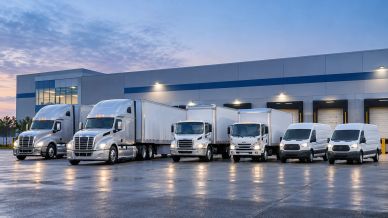
Commercial trucks, trailers, delivery vehicles, service fleets, specialty vehicles, and qualifying transportation equipment.
Strategic objective: Improve reliability, support fleet expansion, strengthen distribution capacity, and maintain business continuity.

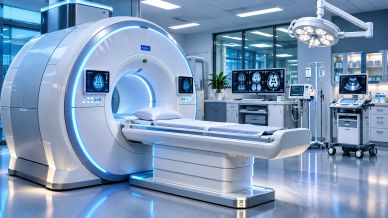
Diagnostic imaging systems, dental equipment, laboratory machinery, specialized clinical equipment, and qualifying medical technology.
Strategic objective: Modernize facilities, expand services, and improve operational capabilities.

Tractors, harvesting machinery, irrigation systems, processing equipment, refrigeration, packaging lines, and qualifying agricultural assets.
Strategic objective: Improve production, processing, preservation, and distribution capabilities.

Commercial kitchen equipment, refrigeration systems, laundry machinery, qualifying furniture and fixtures, and specialized operational equipment.
Strategic objective: Equip new locations, modernize existing facilities, and support business expansion.

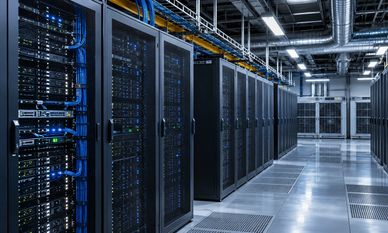
Servers, AI computing hardware, networking systems, data storage, telecommunications equipment, backup generators, transformers, UPS systems, industrial cooling equipment, security systems, and qualifying data-center infrastructure.
Strategic objective: Support data-center construction and expansion, technology modernization, mission-critical infrastructure, computing capacity, operational reliability, and scalable business systems.
CREI Funding evaluates financing opportunities involving qualifying technology and infrastructure equipment for data-center operators, technology companies, commercial businesses, and specialized infrastructure providers.

The equipment that helped build your business may not be the equipment best suited to carry it forward.
Aging machinery, repeated breakdowns, rising maintenance expenses, slower production, limited capacity, and outdated technology can gradually restrict operating performance and future growth.
A manufacturer may lose valuable production hours to unreliable machinery. A contractor may incur expensive project delays. A warehouse may struggle with inefficient material-handling systems. A transportation company may face increasing repair demands from an aging commercial fleet.
The question is not simply whether your business can afford new equipment. It is whether continuing to operate with outdated equipment is costing more than a strategically financed upgrade.
CREI Funding helps established businesses evaluate equipment financing opportunities involving replacement, modernization, and expanded operational capacity.
Evaluate financing for machinery, vehicles, and systems experiencing increasing repair costs, declining reliability, or operational limitations.
Explore financing for CNC machinery, robotic systems, fabrication equipment, production automation, and qualifying advanced manufacturing technology.
Upgrade material-handling equipment, warehouse systems, processing machinery, and other business-critical industrial assets.
Evaluate equipment financing for commercial vehicle replacement, fleet modernization, and qualifying transportation assets.
Replace or add heavy equipment used in excavation, construction, infrastructure development, and contractor operations.
Evaluate qualifying systems and equipment that support stronger infrastructure, greater efficiency, and scalable operations.
An equipment upgrade can require a substantial upfront investment.
Financing or leasing may allow qualified businesses to distribute acquisition costs over time while preserving liquidity for payroll, inventory, operating expenses, and future growth.
The appropriate decision depends on equipment cost, operating cash flow, expected useful life, financing terms, and the realistic business value of the upgrade.
Your next equipment investment should be evaluated for what it can help your business accomplish; not simply what it costs.

There is no universal equipment financing structure suitable for every business.
The right solution depends on the asset, intended use, expected useful life, borrower qualifications, operating cash flow, ownership objectives, and long-term financial plans.
CREI Funding evaluates available equipment financing and leasing structures to help businesses identify an appropriate capital path.
Equipment loans may allow qualified businesses to acquire essential assets through scheduled payments while working toward ownership.
Consider when: Your business expects to use equipment over the long term and wants to evaluate ownership alongside cash-flow preservation.
Equipment leasing may provide access to productive assets without an outright cash purchase.
Depending on the lease structure, options may include eventual ownership, purchase options, return, renewal, or equipment upgrades.
Consider when: Flexibility, changing technology, and equipment replacement cycles are important considerations.
Financing should account for how and when equipment supports business operations.
Certain equipment financing and leasing programs may offer deferred initial payments, seasonal payment schedules, or customized repayment structures for qualified businesses.
These arrangements may be relevant to seasonal contractors, agricultural businesses, phased equipment installations, production expansions, and companies with uneven operating cash flow.
Consider when: Equipment acquisition and the timing of revenue generation do not align neatly with conventional monthly payments.
Availability depends on the business, asset, financing structure, and underwriting requirements. Deferred or alternative payment schedules may increase total financing costs.
CREI evaluates financing requests involving qualifying new and pre-owned commercial equipment.
Eligibility depends on equipment type, condition, age, valuation, remaining useful life, and financing program requirements.
Consider when: A new or used asset can satisfy your operational needs and you want to preserve liquidity while acquiring it.
Businesses with existing equipment financing may evaluate refinancing options to determine whether a different financing structure better fits their current financial requirements.
Consider when: Existing equipment debt no longer aligns with your operating cash flow, capital structure, or future plans.
Where available, qualifying businesses may be able to access capital from eligible equipment they already own while continuing to use those assets under an agreed lease arrangement.
Consider when: Your business owns valuable equipment and is evaluating options to improve liquidity without interrupting operations.
Availability depends on equipment ownership, lien status, valuation, borrower financial qualifications, and program requirements.
Capital solutions for businesses investing in more than one piece of equipment.
Manufacturers, industrial operators, contractors, and expanding businesses may require multiple machinery purchases, phased installations, fleet expansions, or larger capital expenditure programs.
CREI Funding evaluates equipment financing strategies involving multiple assets, production-line upgrades, fleet additions, and qualifying equipment acquisition programs.
Depending on the transaction and available financing program, structures may include equipment loans, leases, equipment lines of credit, or financing coordinated around phased acquisitions.
Consider when: Your business is planning a larger equipment investment involving several assets, installations, or stages of expansion.
The objective is to align equipment capital with operating needs, cash flow, installation timing, and long-term business growth.
Equipment financing may be appropriate when long-term ownership, extended asset use, and predictable repayment are central priorities.
Equipment leasing may be appropriate when equipment replacement flexibility, evolving technology, or specific lease terms better support the business.
Neither structure is automatically superior.
Total financing costs, payment obligations, tax considerations, maintenance responsibilities, ownership treatment, and contract terms should be considered before making a decision.

Real estate developers, builders, contractors, and property operators rely on specialized equipment to execute projects efficiently and pursue additional opportunities.
Whether developing residential subdivisions, completing horizontal infrastructure, constructing commercial properties, or managing real estate portfolios, equipment availability can influence project costs, execution timelines, and operating capacity.
CREI Funding evaluates financing requests involving:
A developer's equipment decision should not be evaluated in isolation.
Capital allocated to machinery may also be required for land acquisition, infrastructure improvements, construction draws, labor, carrying costs, or future investment opportunities.
Through CREI Business Capital™ and CREI Capital Markets™, CREI helps developers and operators consider equipment financing within the context of their broader real estate execution strategies.
The objective is to finance productive equipment while preserving financial flexibility for the project and the next capital event.

For established businesses, acquiring or upgrading equipment can be an investment in productive capacity, operational reliability, competitiveness, and future growth.
But the capital structure matters.
A large cash purchase can reduce liquidity. Equipment that is poorly matched to operating requirements can create unnecessary expense. Financing obligations that do not align with cash flow can restrict financial flexibility.
CREI Funding encourages business owners to consider equipment decisions within the broader context of business performance and long-term financial objectives.
Evaluate financing structures that may help retain cash for payroll, inventory, operating expenses, and other business priorities.
Invest in machinery and equipment that can support greater production, additional services, larger contracts, or increased order fulfillment.
Consider replacing equipment that causes repeated downtime, excessive maintenance costs, or preventable disruption.
Explore equipment upgrades that may support automation, more efficient workflows, and greater operational capability.
Acquire equipment needed for new facilities, additional contracts, expanded service offerings, or multi-location growth.
Evaluate useful life, financing terms, replacement cycles, operational requirements, and expected business benefits before selecting a financing structure.
The best financing structure is not automatically the one with the lowest monthly payment.
It is the structure that appropriately balances total financing cost, cash-flow requirements, asset utilization, business risk, and the financial flexibility needed for continued operations.
Please reach us at contact@creifunding.com if you cannot find an answer to your question.
CREI Funding evaluates financing requests for qualifying manufacturing machinery, industrial equipment, construction machinery, commercial vehicles, warehouse systems, healthcare equipment, agricultural assets, restaurant equipment, and business technology.
Eligible assets vary by financing program.
Yes. CREI evaluates financing requests involving upgrades to existing business operations, including manufacturing modernization, machinery replacement, industrial automation, construction equipment upgrades, and qualifying commercial fleet improvements.
Approval depends on business and equipment qualifications.
Potentially. Qualified businesses may evaluate loans or leases to replace machinery experiencing frequent repairs, downtime, declining productivity, or increasing operating costs.
The decision depends on maintenance expenses, reliability, remaining useful life, replacement cost, financing terms, and expected operational benefits.
A business should compare the full economic cost of retaining equipment with the total cost and expected value of replacement.
CREI evaluates qualifying requests for CNC machinery, fabrication systems, robotic manufacturing equipment, industrial presses, automated production lines, packaging machinery, and other manufacturing assets.
Yes. CREI can evaluate qualifying requests involving multiple machinery purchases, commercial fleet expansions, production-line investments, and larger equipment acquisition programs.
Depending on the transaction, an equipment loan, lease, equipment line of credit, or phased financing structure may be considered.
Certain financing programs may support equipment acquisition lines of credit or other structures for businesses making multiple equipment purchases over time.
Eligibility and availability depend on the capital program, borrower, equipment, and transaction size.
Some equipment financing programs may offer seasonal payment schedules, deferred initial payments, or customized repayment structures for qualified businesses.
Availability depends on underwriting and program requirements. Deferrals can increase overall financing costs.
Certain programs may finance qualifying pre-owned equipment. Eligibility depends on equipment type, age, condition, valuation, remaining useful life, and borrower qualifications.
An equipment loan generally supports acquisition through scheduled repayment, with ownership governed by the agreement.
A lease provides equipment use under defined contractual terms that may include purchase, renewal, or return options.
The appropriate choice depends on ownership objectives, expected useful life, flexibility, total cost, and financial considerations.
Some programs may consider businesses with limited operating history.
Requirements can vary significantly based on owner experience, credit profile, business financial condition, equipment type, equity contribution, and program guidelines.
Yes. CREI evaluates qualifying requests for excavators, bulldozers, graders, loaders, earthmoving machinery, paving equipment, material-handling systems, and other equipment used by contractors and real estate developers.
Equipment refinancing and sale-leaseback transactions may be considered where supported by applicable financing programs. Eligibility depends on equipment value, ownership, lien status, borrower qualifications, and transaction structure.
Financing amounts depend on the equipment, business profile, requested structure, collateral, and program requirements. CREI can evaluate requests ranging from relatively modest commercial equipment purchases to larger capital expenditure programs, subject to available financing options.
Review and funding timelines vary by transaction size, equipment type, documentation, borrower qualifications, and underwriting complexity.
Some qualifying transactions may follow a streamlined application process, while larger or specialized requests may require more extensive review.
No specific approval or funding timeline is guaranteed.
Potentially. Financing may reduce the amount of cash required upfront for an equipment purchase, helping a business retain liquidity for operations and growth. The benefit should be evaluated against financing costs, required payments, and other financial obligations.
Certain equipment purchases or leases may qualify for depreciation deductions, Section 179 treatment, or other tax considerations, depending on the transaction and applicable tax law. Business owners should consult qualified tax professionals before relying on anticipated tax benefits.
CREI typically begins with the equipment description, intended use, purchase price, vendor quotation if available, requested financing amount, business operating history, and contact information. Additional financial, credit, ownership, and equipment documentation may be requested depending on the program.
CREI Funding welcomes discussions with qualifying equipment dealers, manufacturers, and distributors interested in introducing business customers seeking equipment financing. Any referral arrangement is subject to program eligibility, applicable legal requirements, and a written agreement.
Imagine walking to your job site knowing the equipment you’re using is exactly what you need, right when you need it—no stress, no surprises. With our equipment financing and leasing solutions, whether you prefer the pride of ownership or the flexibility of leasing, we tailor a path that fits how you operate, think, and succeed in real estate development.

Whether you're purchasing new machinery, replacing aging equipment, modernizing manufacturing operations, expanding industrial capacity, upgrading a commercial fleet, or acquiring heavy construction equipment, your next financing decision deserves a strategic review.
CREI Funding helps qualified business owners, manufacturers, contractors, developers, and growing enterprises evaluate equipment financing and leasing solutions aligned with operational needs, financial flexibility, and long-term objectives.
Acquire. Upgrade. Modernize. Expand.
Let's discuss the equipment, the opportunity, and the capital strategy behind your next move.
CREI Capital Markets™ | CREI Business Capital™
Divisions of CREI Funding, LLC
Empowering Business Owners & Real Estate Investors. Partnering in Building Legacies™
Capital • Strategy • Market Intelligence
1201 West Peachtree Street NW, Suite 2300
Atlanta, Georgia 30309
Phone: 770-373-5556
Email: Contact@CREIFunding.com
Copyright © 2026 CREI Funding, LLC - All Rights Reserved.
Powered by CREI
We use cookies to analyze website traffic and optimize your website experience. By accepting our use of cookies, your data will be aggregated with all other user data.

Capital Aligned With Your Next Opportunity.
From real estate acquisitions, refinancing, and development to business purchases, equipment, working capital, and expansion, CREI Funding helps investors and business owners explore financing solutions aligned with their objectives.
Let's discuss what you're planning.